


Choosing the right roof coating can feel like a big decision for your home. We’ve been looking into two popular options: silicone and acrylic. Both can help protect your roof, but they do it in different ways. We want to help you figure out which roof coating for residential roofs might be the best fit for your situation. Let’s break down what each one brings to the table.
Key Takeaways
- Silicone roof coatings are known for their tough nature and ability to stand up to bad weather, sticking well to most surfaces. This makes them a strong choice for long-term protection.
- Acrylic coatings are good at reflecting sunlight, which can save you money on energy bills. They are often a more budget-friendly option for homeowners looking for a cost-effective solution.
- When picking between silicone and acrylic, think about your climate, how much you want to spend, and what you expect the coating to do over many years. The best roof coating for residential roofs depends on these personal needs.
Understanding Silicone Roof Coating Properties
When we look at roof coatings, silicone stands out for a few key reasons. We’ve found it’s a really solid choice for protecting your roof.
Silicone’s Durability and Weather Resistance
Silicone coatings are known for their toughness. They hold up well against a lot of different weather conditions. Think about intense sun, heavy rain, and even freezing temperatures. Silicone doesn’t get brittle when it’s cold, and it doesn’t get sticky when it’s hot. This flexibility is a big deal for a roof that’s constantly exposed to the elements. It can handle expansion and contraction without cracking. This makes it a long-lasting solution for many roofing needs. We’ve seen it perform well in areas with extreme weather patterns, which is pretty impressive.
Application and Adhesion of Silicone Coatings
Applying silicone coatings is usually pretty straightforward. We typically spray it on, and it forms a seamless layer over the existing roof surface. This means fewer places for water to sneak in. The adhesion is generally good, especially on clean, dry surfaces. It sticks well to most common roofing materials like asphalt, metal, and even some single-ply membranes. It’s important to prep the roof properly, though. Any dirt, debris, or old coatings need to be removed for the best bond. We usually recommend a primer for certain surfaces to make sure it really sticks.
Here’s a quick look at what makes silicone a good option:
- Excellent UV resistance: It doesn’t break down under constant sun exposure.
- Waterproofing: It creates a barrier that stops leaks.
- Temperature stability: It stays flexible across a wide range of temperatures.
- Ponding water resistance: It can handle areas where water tends to sit without degrading.
We’ve noticed that silicone coatings are particularly good at handling situations where water might pool on the roof. This is a common problem with flat or low-slope roofs, and silicone’s ability to resist degradation from standing water is a significant advantage over some other materials we’ve worked with.
Exploring Acrylic Roof Coating Benefits
When we look at roof coatings, acrylics really stand out for a few key reasons. They’ve become a popular choice for many homeowners, and it’s not hard to see why. We’ve found that they offer a good balance of performance and affordability, making them a practical option for a lot of different situations.
Acrylic’s Reflectivity and Energy Savings
One of the biggest draws of acrylic coatings is their ability to reflect sunlight. Think of it like putting on a light-colored shirt on a hot day instead of a dark one. The lighter surface bounces more of those sun rays away, which means less heat gets absorbed into your attic and, consequently, your home. This can lead to noticeable savings on your energy bills, especially during those warmer months. We’ve seen studies that show a well-applied acrylic coating can reduce a building’s surface temperature significantly, sometimes by as much as 30 degrees Fahrenheit. That’s a pretty big difference!
Here’s a quick look at how reflectivity can impact your home:
- Reduced Cooling Costs: Less heat absorption means your air conditioner doesn’t have to work as hard.
- Improved Indoor Comfort: Your living spaces stay cooler and more comfortable.
- Extended Roof Lifespan: By reducing thermal stress, the coating can help protect the underlying roof material.
Cost-Effectiveness of Acrylic Roof Coating for Residential Roofs
For many of us, budget is a major factor when considering any home improvement project, and roof coatings are no exception. Acrylic coatings tend to be more budget-friendly upfront compared to some other options. This makes them an attractive choice for homeowners who want to get the benefits of a protective coating without a massive initial investment. We’ve found that the initial cost is often lower, and the application process can be straightforward, which also helps keep labor costs down.
When we compare the initial outlay, acrylics often come out ahead:
| Coating Type | Average Initial Cost (per sq ft) |
|---|---|
| Acrylic | $0.50 – $1.50 |
| Silicone | $1.00 – $2.50 |
Note: These are general estimates and can vary based on location, roof complexity, and specific product chosen.
While the upfront cost is appealing, it’s also important to consider the long-term value. Acrylics provide a good protective layer and can extend the life of your roof, offering a solid return on investment over time, especially when you factor in the energy savings.
We’ve seen that acrylics are a solid choice for many residential roofs because they offer a good mix of reflectivity, energy savings, and affordability. They’re a practical way to protect your home and potentially lower your utility bills.
Choosing the Right Roof Coating for Your Home
Factors Influencing Silicone vs. Acrylic Selection
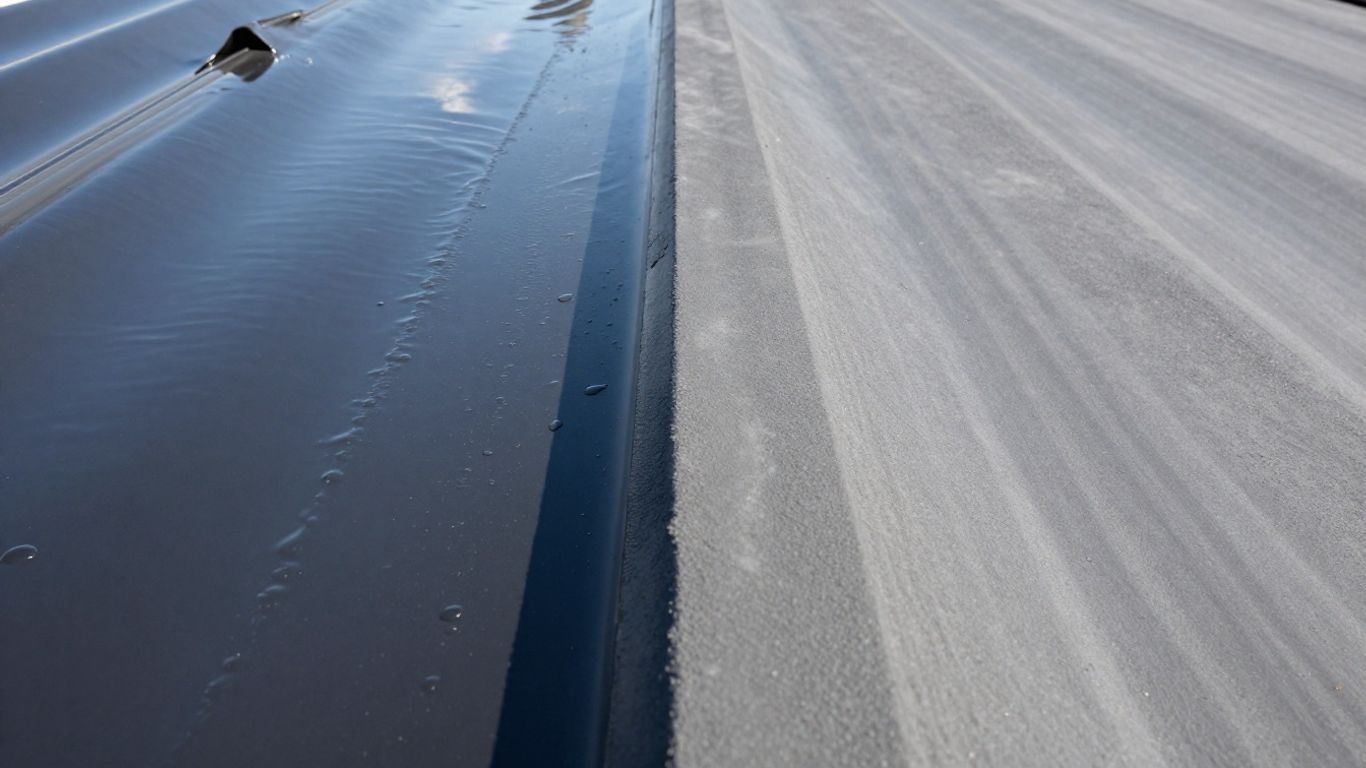
Deciding between silicone and acrylic roof coatings can feel like a big choice, and honestly, it is. We’ve looked at what each material brings to the table, but now we need to figure out which one is the better fit for your specific roof and situation. Several things come into play here. First, think about your climate. If you get a lot of intense sun and heat, an acrylic’s reflectivity might be really appealing for keeping your attic cooler. On the other hand, if you deal with heavy rain or standing water, silicone’s superior water resistance could be the deciding factor. We also need to consider the current condition of your roof. Is it already showing signs of wear, or is it pretty solid? Sometimes, the preparation needed for one type might be more involved than for the other. And let’s not forget about budget. While acrylics are often cheaper upfront, we have to look at the long game.
Long-Term Performance Considerations
When we talk about long-term performance, we’re really looking at how well the coating will hold up over the years and what kind of maintenance it might need. Silicone coatings generally offer excellent flexibility and can handle temperature swings without cracking or becoming brittle. This makes them a good choice for roofs that experience a lot of expansion and contraction. They also tend to maintain their waterproofing capabilities even after prolonged exposure to the elements. Acrylics, while good, can sometimes become chalky or lose some of their reflectivity over time, especially in harsh environments. This might mean they need recoating sooner than a silicone product. We also need to think about warranties. What does the manufacturer cover, and for how long? A longer warranty might suggest greater confidence in the product’s durability. Ultimately, the best coating for us is the one that provides reliable protection and value for the expected lifespan of our roof.
We’ve seen many cases where choosing the cheaper option upfront leads to higher costs down the road due to premature failure or increased maintenance needs. It’s always wise to weigh the initial investment against the expected longevity and performance.
Making the Right Choice for Your Roof
So, we’ve looked at both silicone and acrylic roof coatings. Each has its own good points and maybe some not-so-good points, depending on what you need. Silicone tends to be a bit tougher and lasts longer, especially in bad weather. Acrylic is usually cheaper upfront and easier to put on. When it comes down to it, the best choice for your building really depends on your budget, the climate where you live, and how long you expect the coating to last. We hope this helps you decide which one is the better fit for your roof project.
Frequently Asked Questions
We’re thinking about using a roof coating. What’s the main difference between silicone and acrylic coatings?
That’s a great question! Think of silicone as a super-tough rubber blanket for your roof. It’s really good at handling all kinds of weather, like rain, sun, and even temperature changes, without getting damaged. Acrylic, on the other hand, is more like a tough paint. It’s also good at protecting your roof, especially from the sun’s rays, which can help keep your house cooler and save you money on energy bills. It’s often a bit easier on the wallet too.
Which type of coating will last longer on our roof?
Generally, silicone coatings tend to be more durable and can last for a longer time, often 15 to 20 years or even more, because they are very flexible and don’t break down easily from the sun’s UV rays or extreme temperatures. Acrylic coatings can also last a good while, typically around 10 to 15 years, but they might need recoating sooner, especially if they are exposed to harsh conditions or if the roof has a lot of foot traffic. We always recommend checking the specific product details for the best estimate.
If we’re on a tighter budget, is acrylic the better choice for our home?
For many homeowners, acrylic coatings often present a more budget-friendly option upfront. They are usually less expensive to purchase and apply compared to silicone. While silicone might cost more initially, its longer lifespan can sometimes make it a better value over many years. However, if your main concern is keeping costs down right now, and you understand it might need attention sooner than silicone, acrylic is definitely worth considering for your home’s protection.
