


As the snow melts and the weather warms up, our attics can start to experience some new challenges. We often don’t think about what’s happening up there, but moisture can build up quickly this time of year. This can lead to problems if we aren’t careful. We’re going to look at how spring weather affects attic moisture and what we can do about it, focusing on attic ventilation solutions.
Key Takeaways
- Melting snow can add a lot of moisture to your attic, leading to condensation and potential damage if not managed.
- Proper attic ventilation, like checking soffit and ridge vents, is key to moving humid air out and fresh air in.
- Sealing up any gaps between your living space and the attic helps stop warm, moist air from getting into the attic in the first place.
Understanding Attic Moisture Buildup In Spring
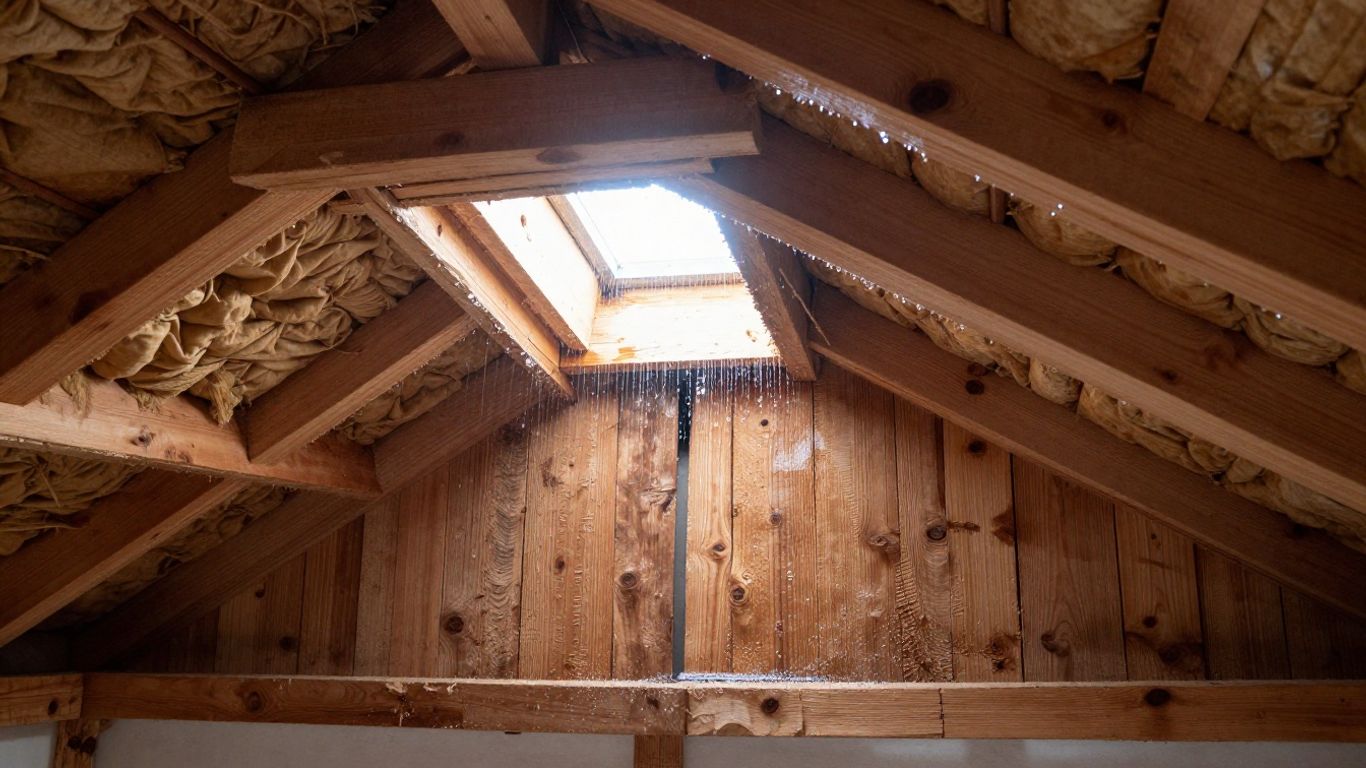
As the winter chill finally starts to fade and the days get longer, we often turn our attention to spring cleaning and getting our homes ready for warmer weather. One area that frequently gets overlooked, but plays a big role in our home’s health, is the attic. This is especially true when it comes to moisture. Springtime, with its melting snow and fluctuating temperatures, can create a perfect storm for moisture problems in our attics if we’re not careful.
The Impact Of Melting Snow On Attic Humidity
We all love seeing the snow melt away, signaling the end of winter. But that melting snow can have a direct effect on the humidity levels in our attics. Think about it: all that frozen water has to go somewhere. If your roof isn’t perfectly sealed, or if there are any small gaps, that meltwater can find its way in. Even if it doesn’t lead to visible leaks, the moisture can evaporate into the attic space, significantly increasing the humidity. This is particularly true if the attic hasn’t had a chance to fully dry out from winter condensation. The temperature difference between the cold attic air and the warmer, moist air from the melting snow is a recipe for condensation. This excess moisture can then settle on surfaces like wood framing, insulation, and ductwork.
Identifying Signs Of Condensation In Your Attic
Spotting condensation early is key to preventing bigger issues. We need to keep an eye out for a few tell-tale signs. The most obvious is visible water droplets on surfaces, especially on cooler materials like metal ductwork or the underside of the roof sheathing. You might also notice damp spots on your insulation, which can make it less effective and heavier. Sometimes, you’ll see a musty or damp smell when you open the attic access, even if there are no visible water stains. Another indicator can be peeling paint or warped wood, particularly around vents or eaves, though these can also be signs of other problems. We should also check for any signs of mold or mildew growth, which thrive in damp environments. It’s a good idea to do a quick visual inspection after a significant thaw or a few warm, humid days.
Keeping an eye on attic conditions during spring’s transition is more than just a chore; it’s about protecting the structure of our homes and the air we breathe. Small amounts of moisture, if left unchecked, can lead to significant damage over time, affecting everything from insulation performance to the integrity of wooden beams.
Implementing Effective Attic Ventilation Solutions
As the snow melts and temperatures rise, we need to think about how our attics handle the extra moisture. Proper ventilation is key to preventing problems before they start. It’s not just about letting air in and out; it’s about creating a consistent flow that carries moisture away.
Optimizing Soffit And Ridge Vents For Airflow
Soffit and ridge vents work together to create a natural chimney effect. Soffit vents, located under the eaves, let fresh air in. Ridge vents, at the peak of the roof, allow warm, moist air to escape. Making sure these are clear and unobstructed is the first step to good attic ventilation. We often find leaves, insulation, or even bird nests blocking these pathways. Cleaning them out is a simple but important task.
Here’s a quick check we recommend:
- Inspect: Look for any blockages in your soffit and ridge vents from the outside and inside.
- Clear: Gently remove any debris you find. A leaf blower can be helpful for exterior vents.
- Test: After a windy day, check if you can feel air moving through the attic space.
Sometimes, the vents themselves might not be enough. We might need to add more, or ensure they are the right type for our roof.
Considering Powered Attic Ventilation Systems
For attics that struggle with airflow, even after optimizing natural vents, powered systems can be a good option. These include electric fans or solar-powered units that actively pull air out of the attic. They can be particularly useful in climates with heavy snow loads or very humid summers.
We’ve found that powered vents can make a big difference, especially in older homes where the attic structure might not support ideal natural airflow. However, it’s important to use them correctly. They should work in conjunction with intake vents (like soffit vents), not just on their own. If you only have exhaust fans without enough intake, you can actually pull conditioned air from your living space into the attic, which is not what we want.
When considering powered ventilation, think about how it integrates with your existing setup. The goal is always to create a balanced system that moves air efficiently without creating new problems. It’s about making sure the air exchange is consistent and effective throughout the entire attic space.
We also need to be mindful of the energy use for electric fans. Solar-powered options are becoming more popular because they use the sun’s energy, reducing electricity costs. We’ve seen good results with these, and they are a more sustainable choice for many homeowners.
Preventing Moisture Issues With Attic Sealing
Even with good ventilation, if warm, moist air from our homes can freely enter the attic, we’re still going to have problems. Sealing up these pathways is just as important as letting the air move. Think of it like trying to keep a room cool with the windows open – it just doesn’t work well.
Sealing Air Leaks From Living Spaces
Many attics have hidden holes and gaps where air can sneak in from the rooms below. These aren’t always obvious. We’re talking about places around light fixtures, plumbing vents, electrical wiring, and even where walls meet the ceiling. If we don’t seal these up, that warm, humid air from our living spaces will rise right into the attic, especially when it’s cold outside. This is a big contributor to condensation.
- We need to be thorough when looking for these leaks.
- Check around attic hatches or pull-down stairs.
- Inspect where chimneys or exhaust fans pass through the ceiling.
- Look for gaps around recessed lighting.
We can use caulk for smaller gaps and expanding foam for larger ones. It’s a bit of a tedious job, but it makes a real difference in controlling moisture.
Ensuring Proper Insulation And Vapor Barriers
Insulation does more than just keep our homes warm in the winter and cool in the summer; it also plays a role in moisture control. When insulation gets damp, it loses its effectiveness. A properly installed vapor barrier is key here. This is usually a plastic sheet placed on the warm side of the insulation (the side facing our living space).
A vapor barrier’s main job is to stop moisture from getting into the attic in the first place. Without one, or if it’s damaged, moisture can pass through the ceiling and condense on cold attic surfaces.
Here’s a quick rundown on what to look for:
- Check the insulation’s condition: Is it flat, clumpy, or discolored? These could be signs of moisture.
- Inspect the vapor barrier: Is it intact? Are there tears or holes? Is it on the correct side of the insulation?
- Consider insulation levels: Are we up to recommended R-values for our climate? Sometimes, adding more insulation can help, but only if the vapor barrier is sound.
Making sure our insulation is in good shape and that the vapor barrier is doing its job helps keep moisture where it belongs – out of the attic.
Wrapping Up Our Attic Talk
So, we’ve gone over why keeping your attic dry and aired out is a good idea, especially as the weather warms up. It’s not the most exciting topic, we know, but a little attention now can save us from bigger headaches later. Think of it as a spring cleaning task for the space above our heads. We hope this gives you a clearer picture of what to look for and why it matters. Taking these steps helps keep our homes in better shape, year after year. It’s really about being proactive and taking care of our houses.
Frequently Asked Questions
Why does our attic get so damp when the snow melts?
As the snow outside melts, all that water turns into vapor, which is basically tiny water droplets in the air. This moist air can easily sneak into our attic through small openings. Inside the attic, which is usually cooler than our home, this water vapor can turn back into liquid water, like dew on a cold glass. This is called condensation, and it’s a major cause of attic dampness in the spring.
How can we make sure air can move freely in our attic?
Good airflow is key to keeping our attic dry. We need to make sure that air can get in through the lower parts, like the soffit vents under the roof’s edge, and then move up and out through vents at the very top, like ridge vents. If these vents get blocked by insulation or anything else, the air gets stuck, and moisture can build up. Sometimes, we might even need fans to help push the air around.
What’s the best way to stop warm, moist air from our house getting into the attic?
The biggest culprit is air leaking from our living spaces into the attic. Think of places like around light fixtures, plumbing pipes, or where walls meet the ceiling. We need to seal up these gaps and cracks tightly. Also, making sure our insulation is in good shape and that there’s a proper barrier to stop moisture from rising from our home is super important for keeping the attic dry and healthy.
